






Your Child’s Path to Early Orthodontic Care
Early orthodontic therapy begins with a careful look at how your child’s teeth and jaws are growing. During the first visit, our dentists will review medical and dental history, examine the bite, take any needed X-rays or photographs and listen closely to your concerns. After this evaluation, we explain whether early treatment is recommended, whether a recall program is appropriate or whether no care is needed at this time. You receive information about what is happening now, what changes to watch for and how early orthodontic guidance may support a healthy, confident smile as your child continues to grow.
What Happens at the First Early Evaluation
A Closer Look at Growth
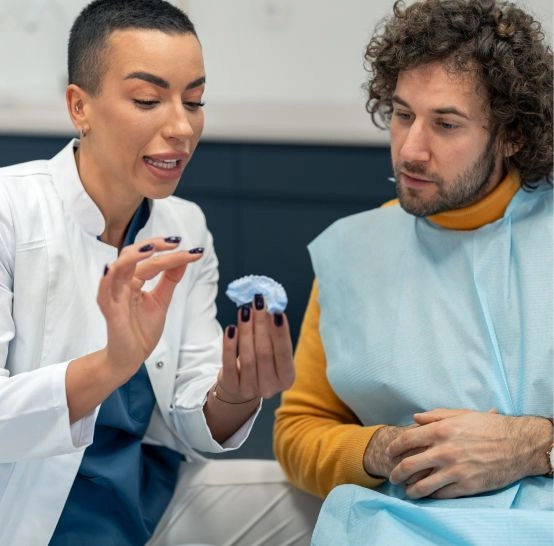
At the first early orthodontic evaluation, our team wants to make your child feel comfortable while gathering detailed information about growth and development. The visit usually begins with a conversation about medical and dental history, daily habits, jaw discomfort or thumb and finger habits that might influence the bite. We then examine how the teeth fit together, how the jaws relate and whether there are concerns such as crossbites, open bites, crowding or extra spacing. X-rays and photographs may be taken to show developing teeth that are not yet visible and to reveal how roots and bones are positioned. After reviewing these findings, our dentists will explain whether early treatment is recommended, whether simple observation will be enough or whether recall visits are needed to monitor changes over time.
Parents and children are encouraged to ask questions so that everyone understands the reasons behind any suggestions and feels comfortable with the next steps. This first visit is focused on education and reassurance, giving your family a clear picture of what is happening now and how future treatment, if needed, can support long-term health. It also builds trust, reduces anxiety and creates a positive foundation for future orthodontic care.
Phases of Early Orthodontic Therapy
Early Care & Later Follow-Up
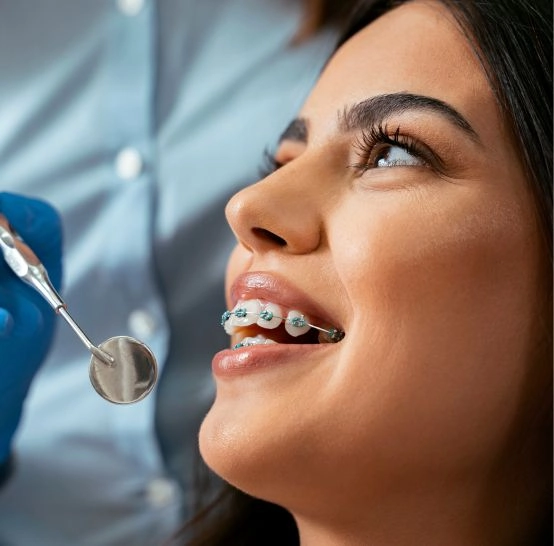
Early orthodontic therapy often happens in phases that match your child’s growth and the eruption of permanent teeth. When a problem is best treated during childhood, the first phase usually focuses on guiding jaw growth, correcting specific bite issues or protecting front teeth that stick out. Appliances may be used to widen narrow arches, improve the way back teeth fit together or create room for permanent teeth that have not yet come in. After the goals of this first phase are met, active treatment usually pauses, and your child enters a monitoring period while remaining permanent teeth continue to erupt.
During this time, our dentists will use recall visits to make sure that earlier improvements are maintained, that new teeth are emerging into healthy positions and that no new problems are developing. A second phase of treatment, often during the teen years, may be recommended later to fine tune alignment and finalize the bite once most or all permanent teeth are present. Because many major issues were addressed earlier, this later phase is often shorter, simpler and more comfortable than it would have been without early therapy. Understanding these phases helps families see how each step builds toward a healthy smile.
Working with Us During Early Orthodontics
Teamwork for Growing Smiles
While our dentists will focus on bite alignment, jaw growth and the position of developing teeth, the dentist monitors cavities, gum health and everyday hygiene. Regular dental checkups remain important during early treatment and recall monitoring because appliances and erupting teeth can create new places for plaque to collect. Professional cleanings help remove hard to reach buildup, fluoride treatments may be recommended when appropriate and both offices offer guidance on brushing, flossing and diet.
Our dentists will keep the dentist informed about treatment plans, appliance use and expected timelines, so that your child’s care feels coordinated instead of separate. Parents are encouraged to share any concerns with either office, such as difficulty cleaning around appliances, sensitive areas or changes in the way teeth fit together. This teamwork helps prevent cavities, protects gum tissue and supports the long term success of early orthodontic treatment by keeping the teeth and supporting structures healthy. Even after an early phase is complete, continuing dental visits and any recommended follow up with our dentists will help your child maintain strong teeth, good function and a confident smile.
Questions & Answers
Learning about early orthodontic therapy can feel overwhelming when you are trying to understand new terms, treatment phases and recall visits. These questions highlight what to expect from evaluations, appointments and home care so you can feel more prepared and involved in decisions about your child’s growing smile over time.
See Resources
Will my child need X-rays at the first early visit?
X-rays are often recommended at the first visit because they show teeth that have not yet erupted and the position of developing roots. Our dentists will choose the images needed and explain how they reveal crowding, missing teeth or growth concerns that cannot be seen in an exam.
How often will my child be seen during early care?
Visit frequency depends on whether your child is in active treatment or in a recall monitoring phase. Children with appliances may be seen every six weeks, while children in recall are usually scheduled every six to eight months. These visits let our dentists track growth and adjust plans as needed.
What can we do at home to support early orthodontic therapy?
Good home care plays a big role in the success of early orthodontic therapy. Help your child brush carefully around teeth and appliances, floss every day, keep regular dental visits and follow instructions about wearing any devices or avoiding harmful habits. Encouragement and praise make these habits easier to maintain.
Where can we get more information about early orthodontics?
If you would like more information about early orthodontic evaluations, treatment phases or recall visits, contact our office. Dr. and Dr. welcome your questions and invite you to call Children & Family Dentistry & Braces at 508-970-9014 to discuss options and choose what is best for your child.